


TOPICS & NEWS
2026.11.27
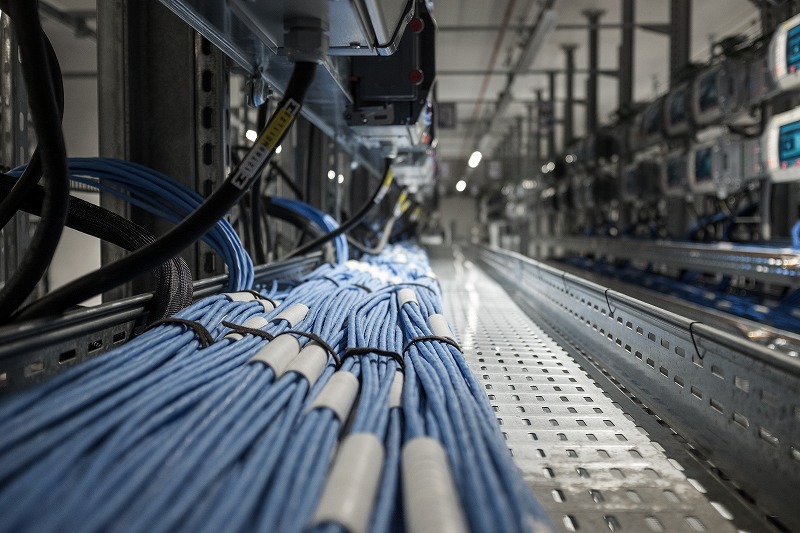
On October 6, 2026, Mitsui Fudosan, Kumagai Gumi, and Getworks announced the launch of a project to develop an underground data center inside an existing tunnel in Kobe City. Repurposing an unused tunnel into a commercial data center for external clients is believed to be a first in Japan.
Traditionally, data center siting has favored expansive suburban plots or regions with easy access to bulk power. By breathing new life into dormant public infrastructure, this initiative broadens the very definition of viable data center real estate.
Repurposing the Tunnel That Helped Build Kobe Airport
The project utilizes a former belt-conveyor tunnel once operated by Kobe City to transport earth and sand for land reclamation. Originally part of a 14.5-kilometer system linking the mountains to the sea, the tunnel supported the development of residential and industrial parks as well as the reclamation of Kobe Airport, remaining in operation until September 2005.
The redevelopment covers roughly 3 kilometers of the tunnel—spanning about 17,000 square meters—with most of the space situated more than 40 meters underground. Mitsui Fudosan and Kumagai Gumi won the rights to the site in a conditional bidding process held in September 2026.
Following initial build-out, the partners aim to scale the facility’s power capacity up to 20 MW over time, with commercial services slated to begin between mid-2027 and the end of FY2027.
A Consortium Combining Real Estate, Construction, Operations, and Civil Engineering
Under the project structure, Mitsui Fudosan will lead the commercial development of the subterranean space, while Kumagai Gumi will co-develop the site and serve as the primary construction contractor. Getworks will handle data center operations.
Additionally, engineering consultancy Pacific Consultants is joining as a supporting partner to assist with feasibility studies and technical design. Safely converting an aging tunnel requires thorough structural assessments and groundwater surveys. Integrating specialized civil engineering expertise into the consortium reflects the unique demands of adaptive reuse projects.
Subterranean Depth and Shelter-Grade Containers Guard Against Disasters and External Threats
Resilience and physical security are the core selling points of this facility. Underground spaces offer inherent seismic stability and naturally restrict physical access due to limited entry points.
Inside the tunnel, the partners will deploy Getworks’ shelter-grade containerized data centers. Manufactured domestically in Japan, these modules are engineered for seismic and impact resistance as well as protection against electromagnetic pulses (EMP). The operators plan to position the facility for storing mission-critical data for enterprises and local governments.
For clients prioritizing disaster preparedness alongside defense against geopolitical contingencies or terrorism, simply being underground becomes a compelling value proposition. However, specific target customers have not yet been disclosed, making actual market demand a key metric to watch.
Year-Round 15–20°C Ambient Temperatures Aid Cooling
Going underground also brings thermal advantages. Ambient temperatures inside the tunnel remain stable at 15–20°C year-round. Combined with a closed-loop liquid cooling system utilizing circulated groundwater, the facility is designed to support the latest high-heat-density GPU servers.
Reusing an existing structure also reduces construction-related environmental impact and shortens time-to-market. As dense GPU deployments drive up thermal loads, real-world operations will test just how much cooling efficiency this subterranean environment can deliver.
Will Adaptive Reuse of Idle Infrastructure Catch On?
The project partners aim to replicate this model across Japan by tapping into other dormant underground spaces, such as abandoned mines and disused tunnels. Globally, data centers housed in subterranean bunkers, former mines, and decommissioned military facilities are already well-established.
Getworks has also outlined a vision to interconnect its sites in Yuzawa (Niigata), Kagoshima, Hokkaido, and Kobe using NTT DOCOMO Business’s IOWN All-Photonics Network (APN). Rather than relying solely on massive, centralized campuses, deploying modular containers into underutilized spaces and linking them via ultra-high-speed optical networks is becoming an increasingly practical blueprint for distributed data centers.
At the same time, a 20 MW capacity is modest in an era dominated by gigawatt-scale AI data center announcements. How much market premium subterranean security can command—and how far this model can scale across other dormant sites—will determine whether underground infrastructure becomes a mainstream siting option.


dil_admin
TOPICS & NEWS
Related Post
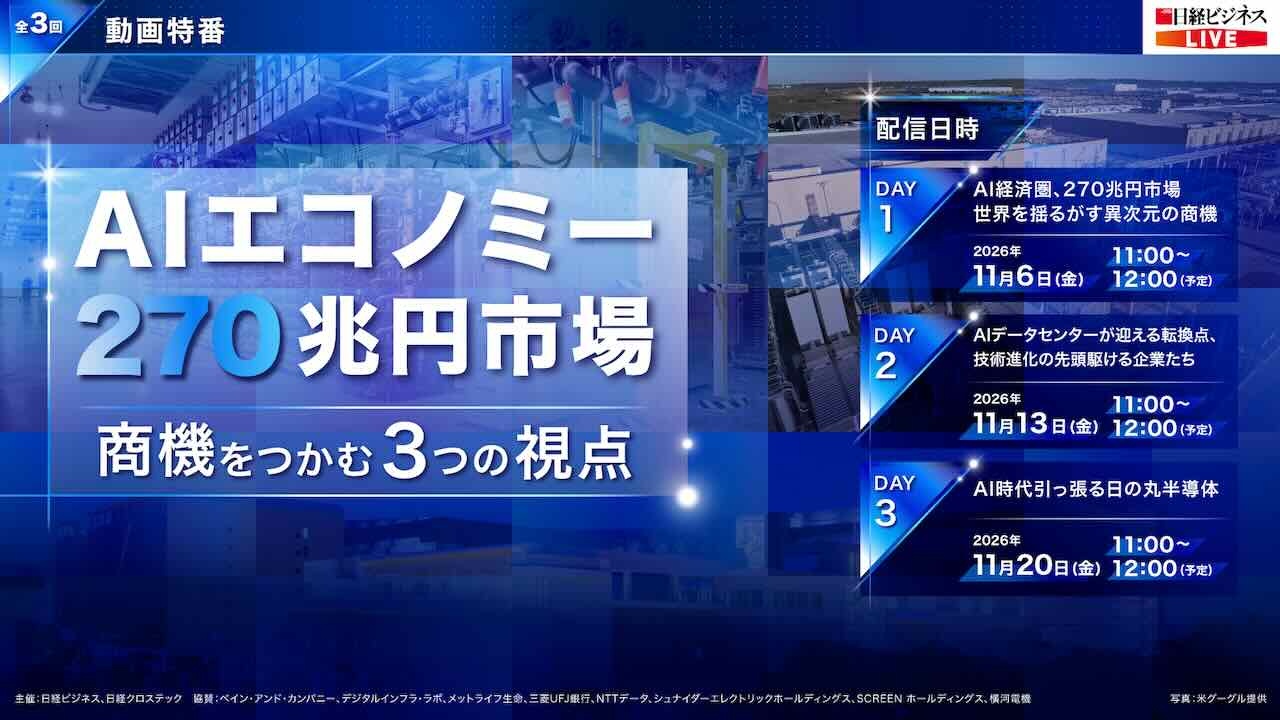
Our Co-Founders Appear in Nikkei BP’s “AI Economic Sphere” Sponsored Live Stream

JERA’s 400 MW AI Data Center Plan at Chiba Thermal Power Station: Will “On-Site Power” Take Root?

Tohoku Electric Power’s Role in Expanding Japan’s Regional Data Center Market
Japan Designates Nine Regions for Data Center Development Under Its GX Strategy
SK Group Advances Its AI Strategy in Japan
Akita’s ¥2 Trillion AI Data Center Plan Highlights Japan’s Emerging Regional Infrastructure Opportunity
Latest News