


 JA
JA
TOPICS & NEWS

2026.04.27
As generative AI continues its lightning-fast evolution, Anthropic, a leading US-based AI firm, has found itself at the center of a heated debate. Their recent decision to walk away from negotiations with the U.S. Department of Defense (DoD) is being hailed as a landmark moment—a symbolic “fork in the road” regarding AI ethics and its applications. This clash also underscores the critical role of data centers as the backbone of this rapidly scaling industry.
Military Ambitions vs. Ethical Boundaries
Reports indicate that Anthropic rejected the DoD’s proposal for the broad military use of its flagship model, “Claude,” particularly in areas involving surveillance and the analysis of private citizen data. While the Pentagon argued that such applications are legal, Anthropic reportedly prioritized the risks of privacy infringement and the potential slide into a surveillance state.
At the heart of this stance is “Constitutional AI,” Anthropic’s proprietary framework. Unlike models that are simply trained on raw performance, Claude is governed by a pre-defined set of ethical principles—a “constitution.” For Anthropic, social impact isn’t an afterthought; it is a core design requirement. By adhering to this philosophy, the company has made it clear that it will not allow its technology to be repurposed for mass surveillance or autonomous weaponry.
This sets a stark contrast with competitors like OpenAI, which has shown a greater willingness to collaborate with the Pentagon. The industry is witnessing a clear ideological split: one path prioritizes “ethics and safety,” while the other prioritizes “utility and pragmatism.”
Why Ethical AI is Winning in the Corporate Sector
Interestingly, Anthropic’s rigid ethical stance hasn’t hindered its commercial success. On the contrary, its reputation for safety has become a competitive advantage. Enterprises that prioritize brand integrity and risk management are increasingly choosing Claude over more “permissive” models.
For a corporation, a model that is “too powerful” can be a liability if it produces hallucinations or toxic content. Anthropic’s focus on stability and predictability—fruits of its Constitutional AI approach—makes it a safer bet for businesses that cannot afford a PR disaster.
Furthermore, this surge in adoption is fueling an unprecedented demand for infrastructure. Training and running these sophisticated models require massive computational power, turning the AI race into a race for data center dominance. High-stakes AI, which demands rigorous data sovereignty and control, requires specialized, high-performance environments, making infrastructure more vital than ever.
An Era of Selection: Beyond the Performance Race
The AI market is currently in an explosive growth phase, crowded with tech giants, nimble startups, and government-backed initiatives. However, we are moving past the era of “performance at any cost.” We are entering an era where the underlying values of an AI developer will be the primary criteria for selection.
While some might view Anthropic’s refusal of military contracts as a short-term loss of revenue, it is a strategic move to solidify its position as the world’s most “trusted” AI provider. In the background, the physical infrastructure—data centers and power grids—will continue to be the silent engine driving this transformation.
AI becomes an inseparable part of our social infrastructure, the choice made by Anthropic serves as a definitive case study in the industry. It reminds us that while the march of technology is relentless, the values we embed within it will ultimately define the future of our society.


dil_admin
TOPICS & NEWS
Related Post

SoftBank’s Massive Data Center Project in Ohio: Navigating the Waves of Scaling and Decentralization
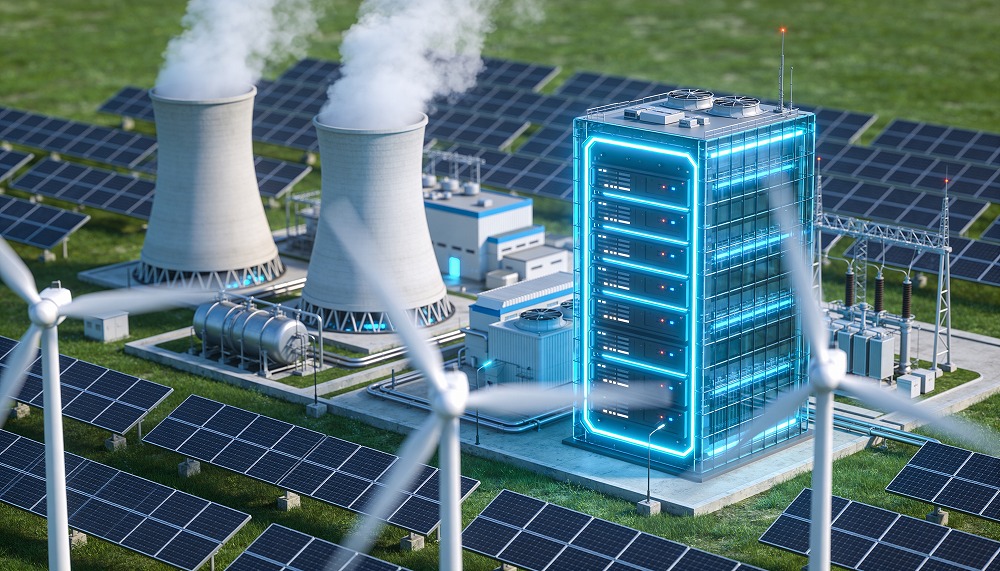
Nuclear Restarts and the Emergence of Power-Proximate Data Infrastructure: The Expanding Potential of Kashiwazaki as a Strategic Anchor

Japan’s GX Strategy Enters Implementation Phase: ~90 Expressions of Interest Received in Initial Call
At the Intersection of Power Infrastructure and Digital Foundations

SoftBank Accelerates Data Center Strategy for the AI Era — Pioneering the Future of Digital Society through Infrastructure Innovation —

KDDI Launches Osaka Sakai Data Center: A Strategic Leap into AI-Driven Digital Infrastructure
Latest News